
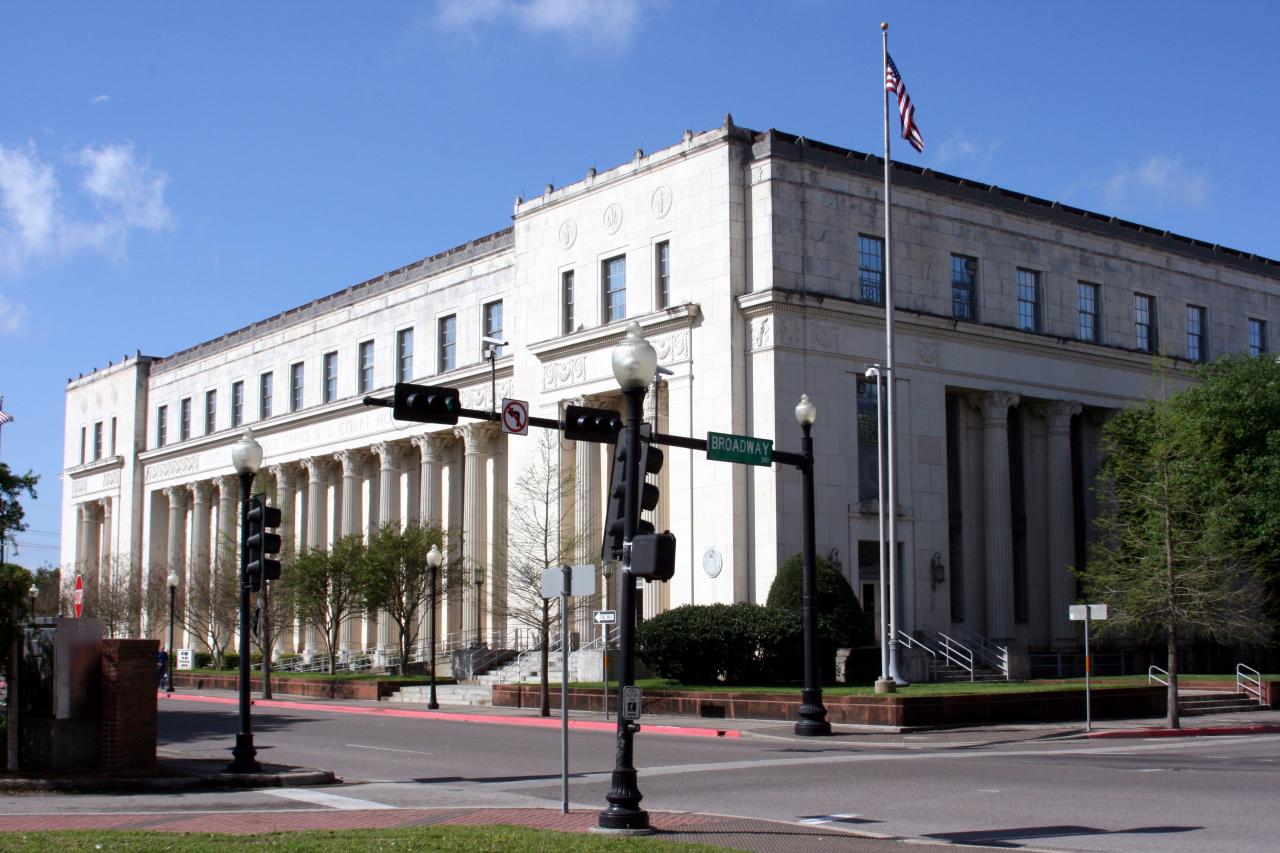
WASHINGTON, DC – On Thursday, the U.S. District Court for the Eastern District of Texas issued a summary judgment vacating the federal anti-money laundering rule for residential real estate and enjoined its enforcement nationwide. The case is Flowers Title Companies, LLC v. Bessent.
Decades of evidence document the profound money laundering risks in the $55 trillion U.S. housing market, in particular through anonymously owned properties. To address the problem, the Financial Crimes Enforcement Network (FinCEN) finalized a Residential Real Estate Rule (RRE Rule), which went into effect on March 1. It requires real estate professionals involved in closings and settlements to submit a “Real Estate Report” for non-financed residential real estate transfers among entities or trusts. The report includes key information valuable to law enforcement, including the identities of the true, “beneficial” owners of the entities and trusts involved.
“In striking down this rule, the district court in Texas has just sided with cartels, money launderers, and U.S. adversaries and given them free license to continue moving their dirty cash through U.S. real estate,” said Ian Gary, executive director of the FACT Coalition. “Two other federal courts have recently upheld the rule as lawful and constitutional. We therefore expect the government to swiftly appeal this outlier decision and the appellate court to overturn it.”
Judge Jeremy Kernodle agreed with the plaintiffs that FinCEN exceeded its mandate under the Bank Secrecy Act (BSA), on the grounds that non-financed residential real estate transactions were not “suspicious,” contradicting more than two decades of evidence from the federal government itself as well as external experts. His decision also runs counter to the plain language of the BSA authorizing FinCEN to “require nonfinancial trades or businesses to maintain appropriate procedures, including the collection and reporting” of information, which Judge Kernodle nonetheless found to exclude real estate reports.
Two other federal district courts, one in Florida and one in Texas, reached the opposite conclusion and issued summary judgment orders in favor of the government against similar challenges. Another lawsuit in Puerto Rico on similar legal grounds remains outstanding.
###
Notes to the Editor:
- See Judge Kernodle’s summary judgment in the case Flowers Title Companies, LLC v. Bessent.
- The Treasury Department’s 2024 and 2026 National Money Laundering Risk Assessments affirm the ample illicit finance risks present in the U.S. residential real estate sector.
- See the text of the Residential Real Estate Rule. FinCEN expected the RRE Rule to cover up to 850,000 transactions per year.
- In early March, FACT lauded the effectuation of the Residential Real Estate Rule as a key law enforcement and national security tool as well as a means to correct ongoing market distortions in the residential real estate sector caused by money laundering.
- See FACT’s comment during the rulemaking period, outlining the important national security, economic, and public safety impacts of the rule.
- The U.S. is currently undergoing a Mutual Evaluation by the Financial Action Task Force, the global anti-money laundering watchdog. In a July 2024 assessment of countries’ technical compliance on gatekeepers, the U.S. scored a 0% on technical compliance across categories, including real estate professionals. Without the rule in force, the U.S. risks repeating its failure in the forthcoming assessment, which is expected to be published this fall.