U.S. Launch of the 2020 Financial Secrecy Index
Wednesday, February 19, 2020
Join Tax Justice Network and the FACT Coalition for a discussion of the 2020 Financial Secrecy Index, the ranking of the U.S., and the status of relevant U.S. legislation.
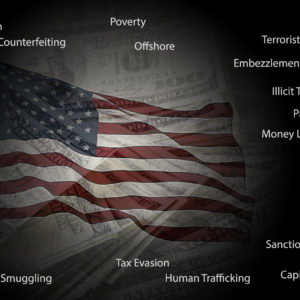
The U.S. is the easiest place in the world for a criminal, terrorist, tax cheat, or kleptocrat to open an anonymous shell company to launder their money with impunity. Anonymous corporations are great ways to hide money and other assets — they can hold a bank account or buy a yacht. Criminals often layer anonymous corporations, with one owning another and so on, making it even harder for law enforcement to “trace the money” and figure out who is directing the company’s activity. It’s time to ending the use of anonymous shell companies as vehicles for illicit activity by requiring that the true owners of U.S. companies be disclosed at the time of formation and updated upon any change.

Wednesday, February 19, 2020
Join Tax Justice Network and the FACT Coalition for a discussion of the 2020 Financial Secrecy Index, the ranking of the U.S., and the status of relevant U.S. legislation.
WASHINGTON, D.C. — The U.S. is the second largest provider of financial secrecy in the world, trailing only the Cayman Islands, according to a new index published today by the Tax Justice Network.

The National Trustee for North Dakota to the Fraternal Order of Police (FOP) sent a letter to Senator Cramer endorsing the bipartisan ILLICIT CASH Act (S.2563), which would end the incorporation of anonymous companies in the U.S.
The National Trustee for North Dakota to the Fraternal Order of Police (FOP) sent a letter to Senator Hoeven endorsing the bipartisan ILLICIT CASH Act (S.2563), which would end the incorporation of anonymous companies in the U.S.
Anonymous companies facilitate everything from corruption and money laundering to transnational organized crime, sanctions evasion, and terrorism — all of which directly harm U.S. foreign policy interests.

Anonymous companies provide human traffickers the secrecy they crave. Opaque ownership structures make it difficult to track the individuals involved, while providing plausible deniability for those who profit from human trafficking operations.