

Julia Yansura
Julia Yansura is the Program Director for Environmental Crime and Illicit Finance at the FACT Coalition. Her work aims to close anti money laundering and anti corruption loopholes that allow the proceeds of environmental crime to be laundered into the U.S. financial system. Geographically, her work is focused on the Western Hemisphere.
Prior to joining FACT, Yansura served as Program Director for Latin America and the Caribbean at Global Financial Integrity, where she led projects in Colombia, Belize, Ecuador and El Salvador covering environmental crimes such as illegal mining and logging, as well as on other topics such as beneficial ownership, real estate, cryptocurrency, and international trade. From 2012-2019, Yansura worked at the Inter-American Dialogue on remittances, mobile money and financial inclusion. She remains passionate about financial inclusion and is convinced that it is possible to make our shared financial system both secure and inclusive.
Yansura is fluent in English and Spanish and has experience working in Colombia, Ecuador, Guatemala, El Salvador, Honduras, Nicaragua, Jamaica, and Belize. She holds an MA in Latin American Studies from Georgetown University’s School of Foreign Service and a BA in Russian from Grinnell College.
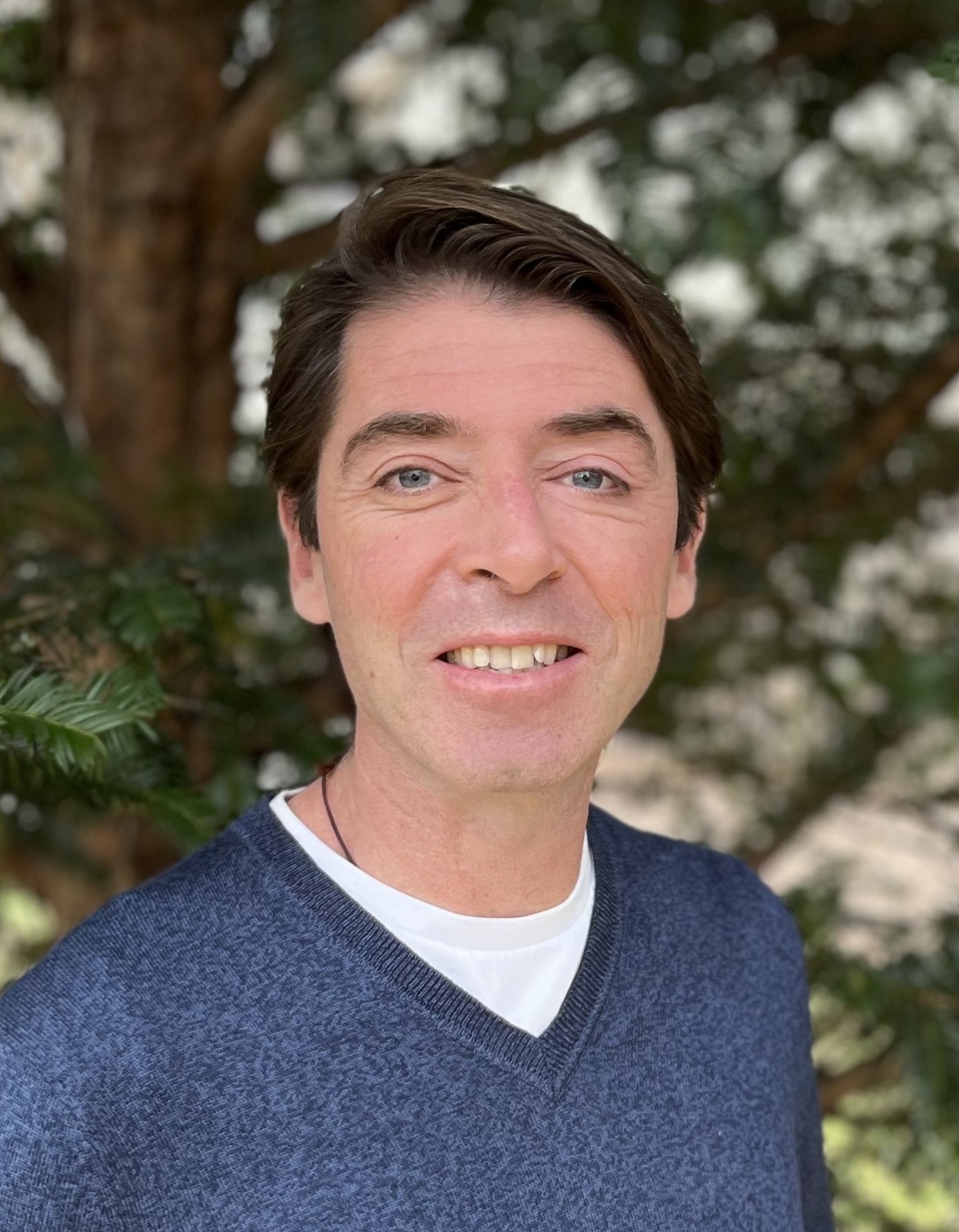
Ben Batros
Ben Batros is Director of Legal Strategy at CCCA, providing strategic guidance to teams of lawyers and analysts supporting enforcement and litigation to address illegal conduct that drives climate change – including the role of financial institutions in enabling climate destructive activities and the role of financial offences in tackling those that profit from them. He also consults on the strategic use of legal tools to support social change, with a focus on accountability and supporting climate action, at Strategy for Humanity.
Ben has 20 years’ experience in accountability mechanisms and strategic litigation, previously having conducted strategic human rights litigation at the Open Society Justice Initiative; served as Appeals Counsel in the Office of the Prosecutor at the International Criminal Court; and worked for the Australian Attorney-General’s Department on regional cooperation to combat transnational crime and on multilateral efforts to promote international justice.
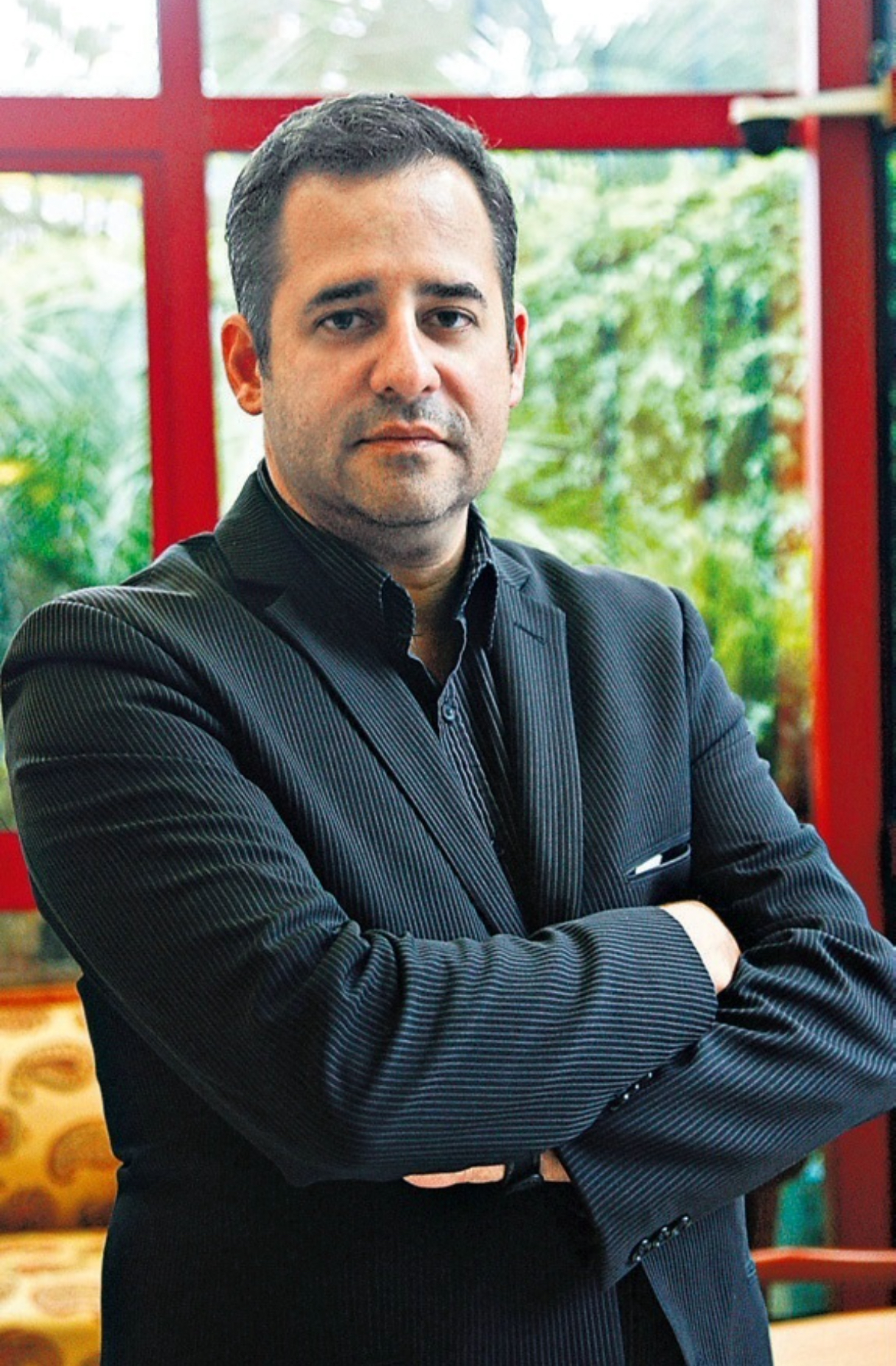
Luis E. Fernandez
Luis E. Fernandez is a research professor and senior fellow at Wake Forest University’s Sabin Center for Environment and Sustainability, and the co-founder of CINCIA (Centro de Innovación Científica Amazónica), an independent environmental research center in the Peruvian Amazon.
With more than 20 years of experience working across the Amazon Basin, his work focuses on environmental crime, mercury pollution from artisanal and small-scale gold mining, and the links between illicit economies, environmental harm, and governance failures. He has previously held research and policy positions at Stanford University, the Carnegie Institution for Science, the U.S. Environmental Protection Agency (EPA), and Argonne National Laboratory, and has advised national governments and multilateral organizations on strategies to address environmental and financial crime associated with illegal mining.
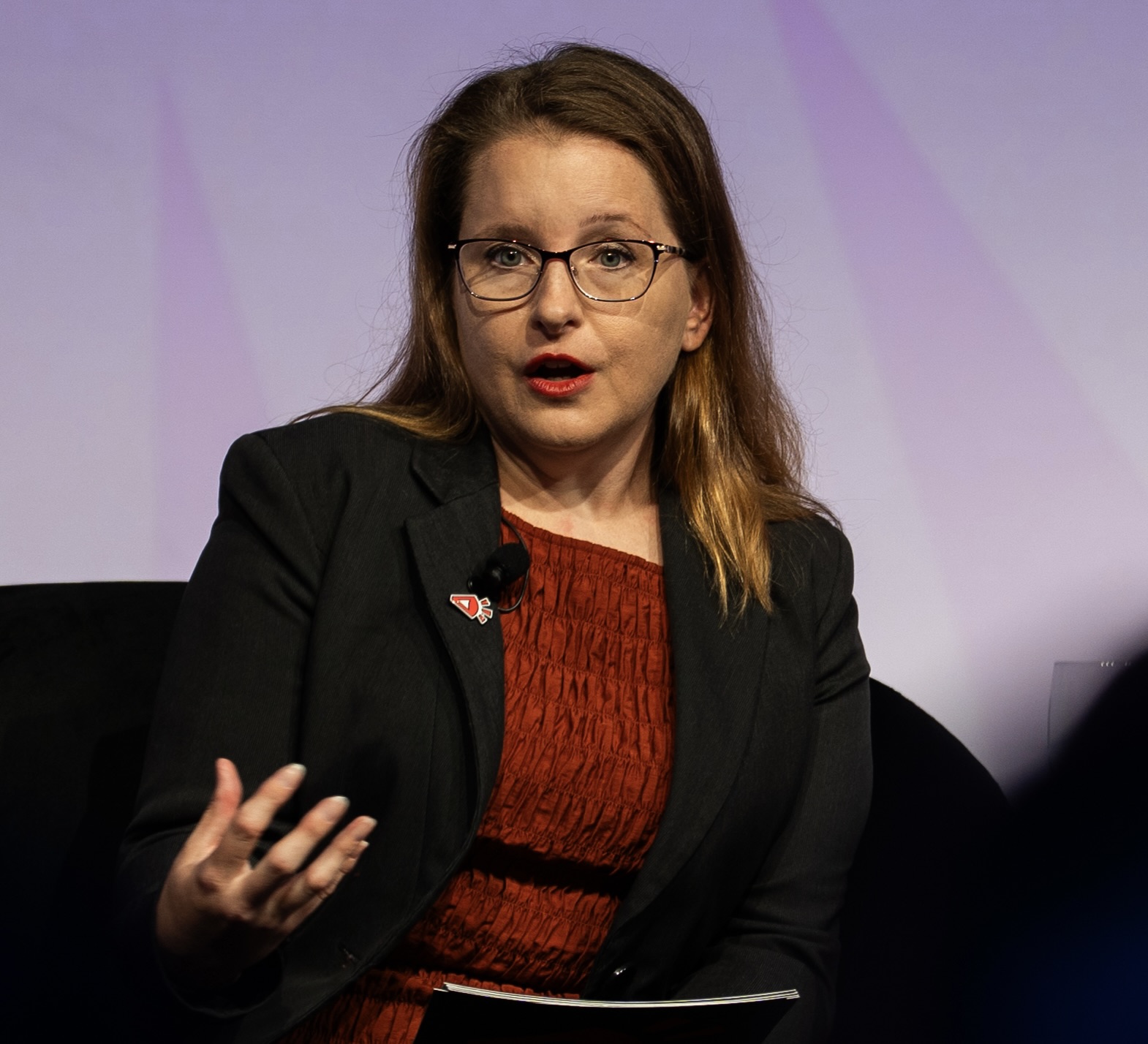
Nicole Byrd
Nicole Byrd has 15 years of experience working organized crime in both the public and non-profit sectors. As of 2026, she focuses on wildlife trafficking and crime convergence at Earth League International. She previously worked on critical minerals and mining for Global Witness. She is a member of the GI-TOC Network of Experts. She is also very extroverted, so please reach out anytime via LinkedIn!
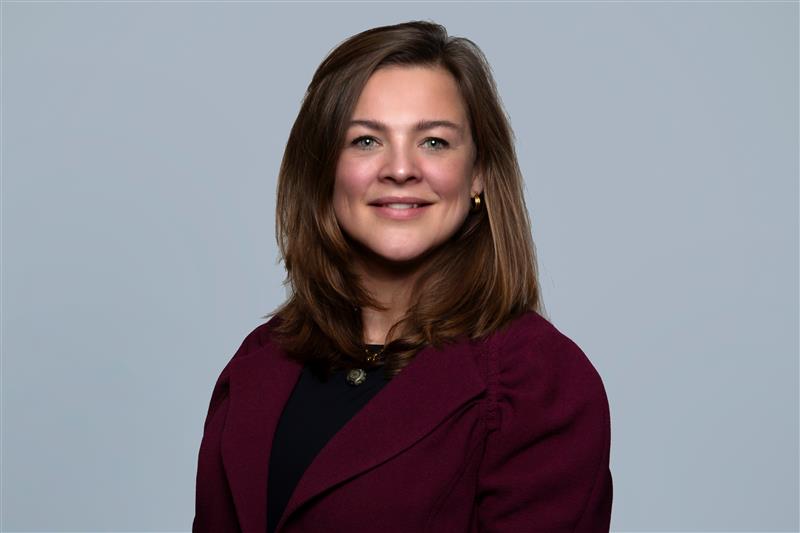
Lisa Hartevelt
Lisa Hartevelt is Director of Policy at the Wildlife Justice Commission, a role she has held since October 2022. She leverages the organisation’s investigative expertise and operational insights to inform international policy discussions, raise awareness, and build political will to strengthen government responses to wildlife trafficking and broader environmental crime.
Her areas of expertise include international policy and legislation, wildlife trafficking, crimes that affect the environment, and crime convergence – particularly the links between wildlife trafficking, corruption, and financial crime, and the role of corruption in enabling environmental crime.
Ms Hartevelt is actively engaged in Vienna-based multilateral processes, including the Conferences of the States Parties to the United Nations Convention against Corruption (UNCAC) and the Conferences of the Parties to the United Nations Convention against Transnational Organized Crime (UNTOC), as well as the Commission on Crime Prevention and Criminal Justice (CCPCJ). She chairs the Global Civil Society Coalition for the UNCAC’s Working Group on Environmental Crime and Corruption, representing over 230 civil society representatives worldwide, and serves as co-Chair of the Alliance of NGOs on Crime Prevention and Criminal Justice’s Working Group on Crimes that Affect the Environment. Through these roles, she promotes coordinated civil society engagement and advocacy on the links between environmental crime, corruption, and organised crime.
With close to 20 years of experience in diplomacy, multilateral affairs, and strategic communications, her previous roles include positions at the Special Tribunal for Lebanon and the Ministry of Foreign Affairs of the Netherlands. She holds a Master’s degree in International and European Law from the University of Groningen.

Marcena Hunter
Marcena is the Director of Extractives at the Global Initiative Against Transnational Organized Crime, which she has been with since 2013. While Marcena’s work has covered a wide scope of material and geographic spread, her current portfolio of work focuses on extractives-related crime, in particular gold-related crime, illicit financial flows and development impacts and responses to organized crime. Marcena’s past work includes analysing migration flows, access to justice, and gender issues, as well as providing guidance on security sector and criminal justice reform.