
The FACT Coalition is pleased to share this biannual roundup of developments in the fight against environmental crime and the illicit finance that enables it. This newsletter highlights FACT’s work and features insights from coalition members and allies.
State of Play
The past six months have brought both progress and setbacks in the fight against environmental crime. While policymakers have advanced initiatives to address illegal gold mining and related challenges, key illicit finance safeguards have come increasingly under threat. Throughout these developments, FACT has continued to convene coalition members and partners to share expertise, identify policy opportunities, and coordinate advocacy at the national and international levels.
FACT Pushes Back Against Rollbacks That Would Benefit Environmental Criminals
Anonymous shell companies pose a major threat as a top method used to both facilitate the trade in illegally-sourced natural resources and launder the proceeds.
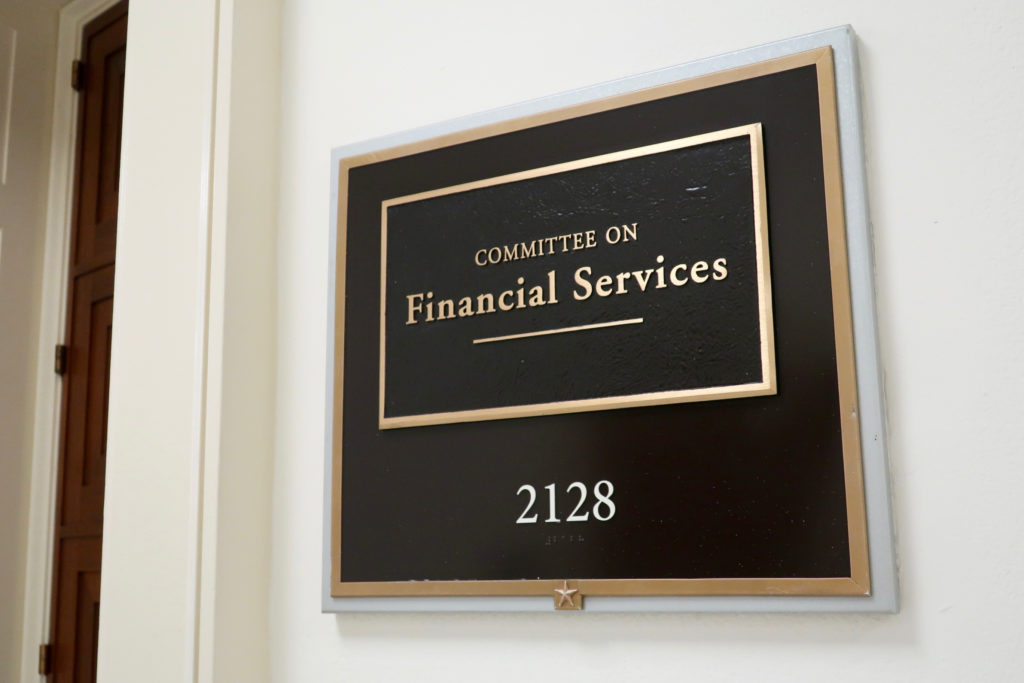
In the U.S., progress to address this problem stalled in 2025 when the Treasury announced it would exempt more than 99 percent of companies from reporting their real ownership. Spring 2026 also saw new threats and setbacks, this time within Congress. H.R. 425, a bill advanced by the House Financial Services Committee, would codify Treasury’s recent exemptions to the Corporate Transparency Act.
At a time when transnational criminal networks, including those profiting from environmental destruction, continue to exploit anonymous companies, policymakers should strengthen ownership transparency, not dismantle it.
U.S. Government Defends Residential Real Estate Rule
Real estate purchases are another common way for illicit actors to move, hide, and store the proceeds of environmental crime. FACT is closely following FinCEN’s residential real estate rule, which was designed to bring greater transparency to certain all-cash residential real estate purchases made through legal entities and trusts. While the rule has faced ongoing legal challenges, the U.S. administration has continued to defend the rule, a positive sign.
OFAC’s Venezuela Gold Policy Raises Illicit Finance Concerns

In March 2026, OFAC announced new licenses that eased restrictions on Venezuelan minerals, including gold. The move has raised serious concerns among civil society groups that conflict gold, narcotics proceeds, corruption-linked revenues, and other illicit funds could be introduced into the U.S. financial system. FACT and other partners estimate that over 90 percent of Venezuelan gold is illegally mined, often with direct participation from criminal groups.
U.S. Senate Advances Bipartisan Gold Bill
There continues to be considerable Congressional interest and momentum around issues of illicit finance and environmental crime, and especially illegal gold mining. This January, the U.S. Legal Gold and Mining Partnership Act, led by Sens. Cornyn (R-TX) and Kaine (D-VA), passed out of committee, paving the way for possible inclusion in the must-pass National Defense Authorization Act later this year. If passed into law, the bill would require the U.S. government to develop a comprehensive and long-overdue strategy to address illegal gold mining.
UK Summit to Spotlight the Harms of Illegal Gold

Now expected to take place in December of this year, the UK Illicit Finance Summit will bring together leaders from a broad coalition of countries to prioritise collective action on three key themes: real estate, cryptocurrency, and gold. These three high-risk asset classes pose critical illicit finance threats that operate across borders and can only be effectively tackled through international cooperation. As FACT notes in a recent article with Spotlight on Corruption, “the Summit provides a significant opportunity for countries to better understand these threats, commit to meaningful policy reforms, and forge partnerships for sustained international cooperation on concrete actions.”
These developments underscore the importance of continued collaboration among civil society organizations, researchers, and policymakers. Organizations interested in learning more or participating in these efforts should consider joining FACT’s Environmental Crimes Working Group, which meets monthly via Zoom. For more information, please contact Julia Yansura at jyansura@thefactcoalition.org.
Recent Research and Publications on Environmental Crime & Illicit Finance
Illegal Mining Operations: Beneath the Surface
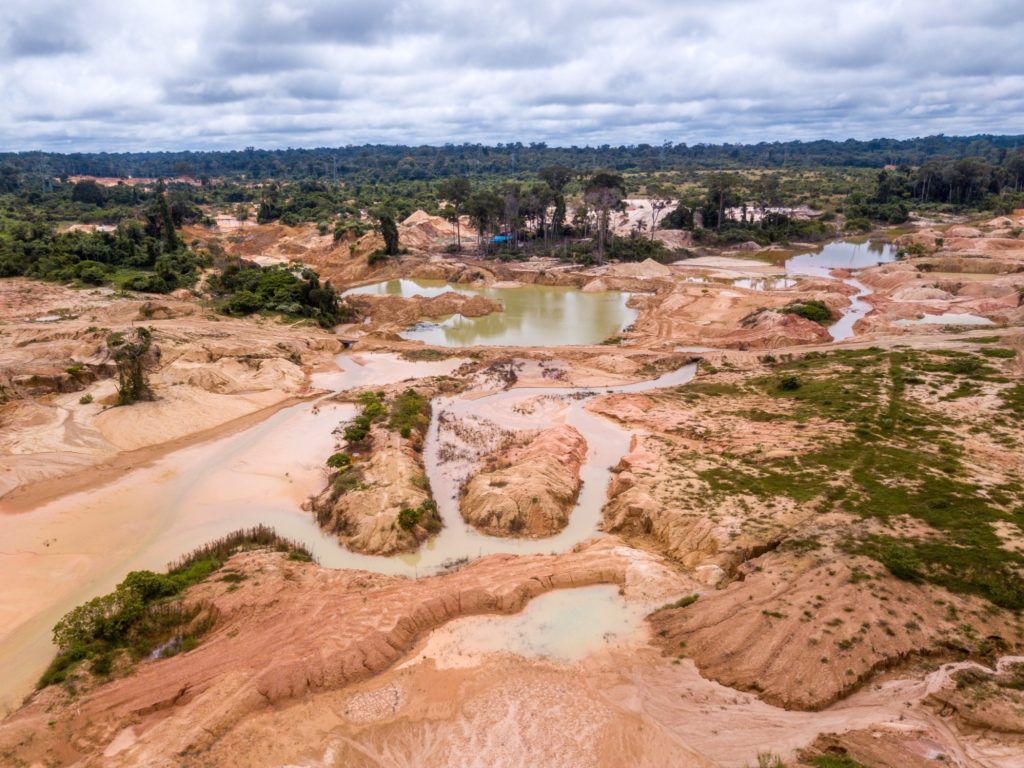
A new report from WWF-UK and Themis examines the environmental and financial crime nexus in illegal mining operations. Based on input from more than 600 finance professionals across 22 countries, the report finds that while more than 80 percent of financial institutions have exposure to illegal mining risk, 40 percent are not yet taking steps to address it. The report contains analysis and case studies from the FACT Coalition.

Financial Secrets of Forests: How Financial Secrecy Fuels Deforestation in Brazil and Cameroon
The Financial Transparency Coalition’s new report uses satellite data to track the owners of recently deforested land, finding that secrecy surrounding land ownership, crops, properties, companies, and beneficial owners systematically prevents the identification of those who benefit from forest loss and deforestation. This secrecy enables bad actors to export their products to the European Union, the United States, and other markets with relative impunity, the report finds.
Civil Society Policy Recommendations on Illicit Gold
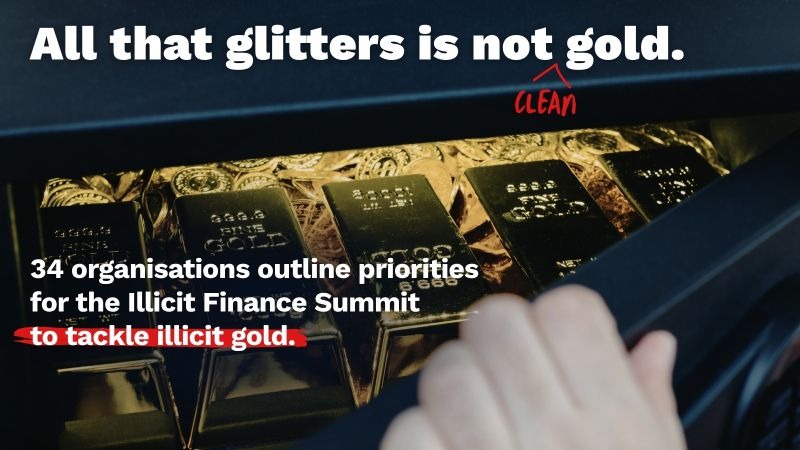
Ahead of the UK Illicit Finance Summit, FACT co-authored a policy brief with 34 civil society organizations outlining recommendations to address illicit gold and the dirty money connected to it. The brief reflects growing civil society momentum around the need for stronger anti-money laundering safeguards, supply chain due diligence, and government action on illegal gold.
New Investigation Exposes Venezuelan Gold Routed Through Curaçao
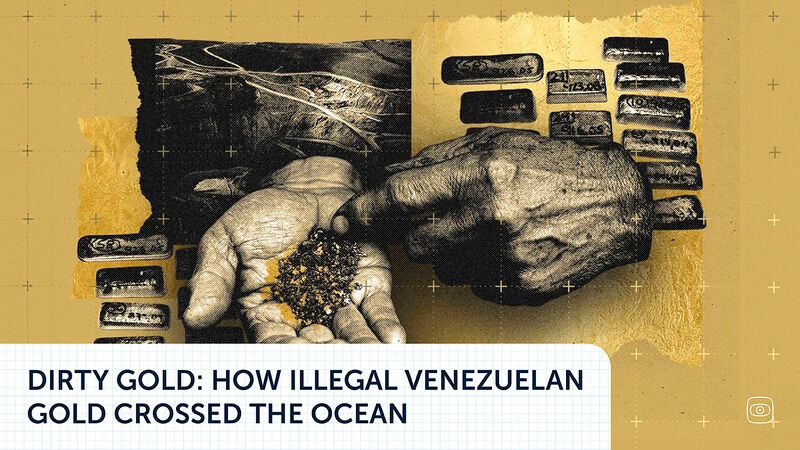
A new investigation by IrpiMedia, Armando.Info, and OCCRP found that more than 70 tons of gold sourced largely from Venezuela’s Amazon were routed through Curaçao and refined in Europe before entering global supply chains. The reporting raises serious questions about “scrap” and “recycled” gold labels, refinery due diligence, and how dirty gold can enter legitimate markets.
MONEY TALKS: What Criminals Told Us About Corruption
Earth League International recently released a report drawing on ten years of undercover intelligence. The research reveals how corruption — observed firsthand from inside criminal networks — is the invisible engine driving environmental destruction worldwide, and why no law, policy, or institution can survive when corruption is allowed to thrive
Events and Convenings
GAFILAT Plenary and Special Session on Environmental Crimes
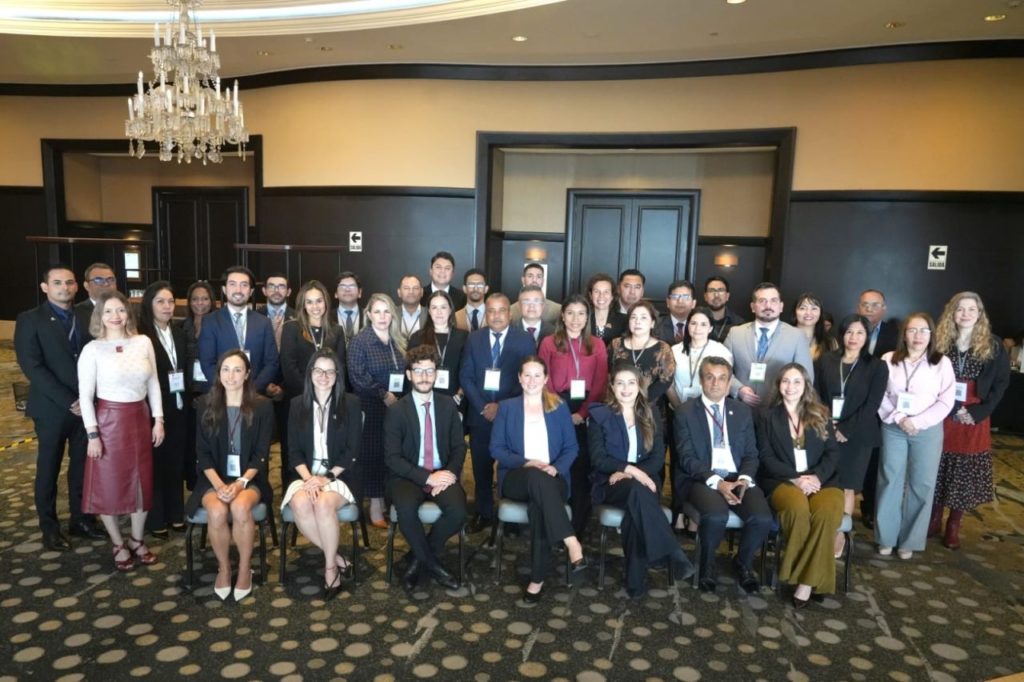
In July, FACT traveled to Lima, Peru to participate in a series of workshops and discussions with GAFILAT and its 18 member countries. FACT’s Julia Yansura shared information on the typologies used to launder the proceeds of environmental crime, and flagged opportunities for financial intelligence units to work with the financial sector to better identify and respond to these risks.
London Climate Week: Gold’s Dark Web
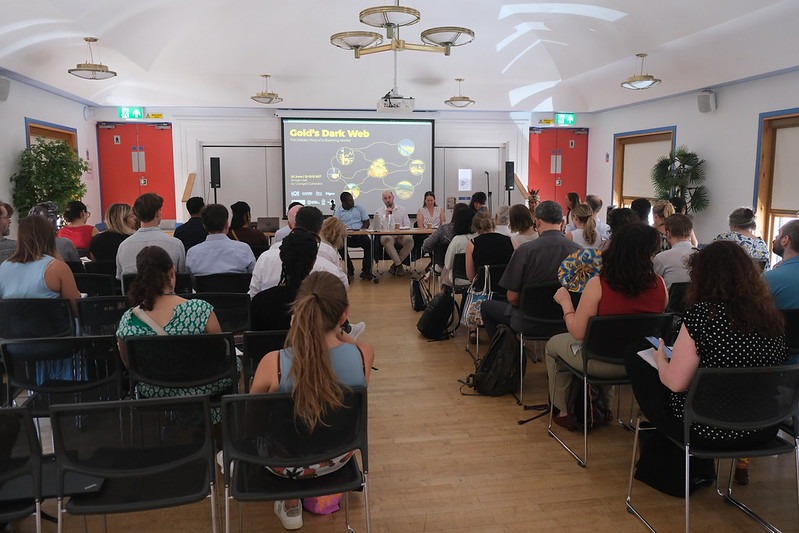
In June, FACT participated in a discussion with leading experts from Indigenous communities, environmental organizations, financial institutions, and government agencies on the threats posed by illegal gold — and the solutions needed to address them. The discussion highlighted both the scale of the challenge and the opportunity presented by the UK’s forthcoming Illicit Finance Summit and FATF presidency. It also underscored growing consensus among civil society, banks and policymakers on the need for clearer regulation to prevent illicit gold mining and trade.
Effective Policies for AML/CFT and Countering Illicit Finance
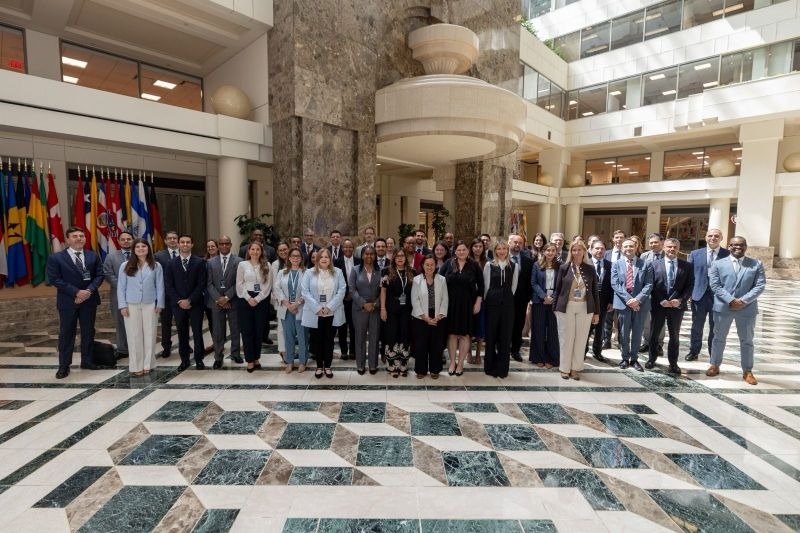
In April, FACT spoke at a convening hosted by the Inter-American Development Bank in collaboration with the FATF, IMF, World Bank, GAFILAT, and CFATF. The discussion focused on how AML/CFT policies can move beyond words on paper and deliver real results. FACT’s remarks highlighted illicit finance risks tied to dirty gold and the need for governments to “follow the money,” strengthen beneficial ownership policies, improve international cooperation, and provide clearer guidance to financial institutions.
UN Expert Group on Crimes Affecting the Environment
FACT participated virtually in a panel convened by the Government of Peru during the UN Expert Group on Crimes Affecting the Environment in Vienna. The discussion focused on the rising threats posed by illegal mining and mineral trafficking, including the financial networks that help these crimes grow and spread.
Featured Press Coverage
Noticias Caracol: Illegal Mining and Armed Groups in Colombia
FACT’s work was featured during the Colombian presidential debate in May 2026. Following video remarks from FACT’s Julia Yansura and FACT Coalition partner Rodrigo Botero of FCDS on the environmental security challenges facing the country, the presidential candidates outlined their approaches to addressing these issues.
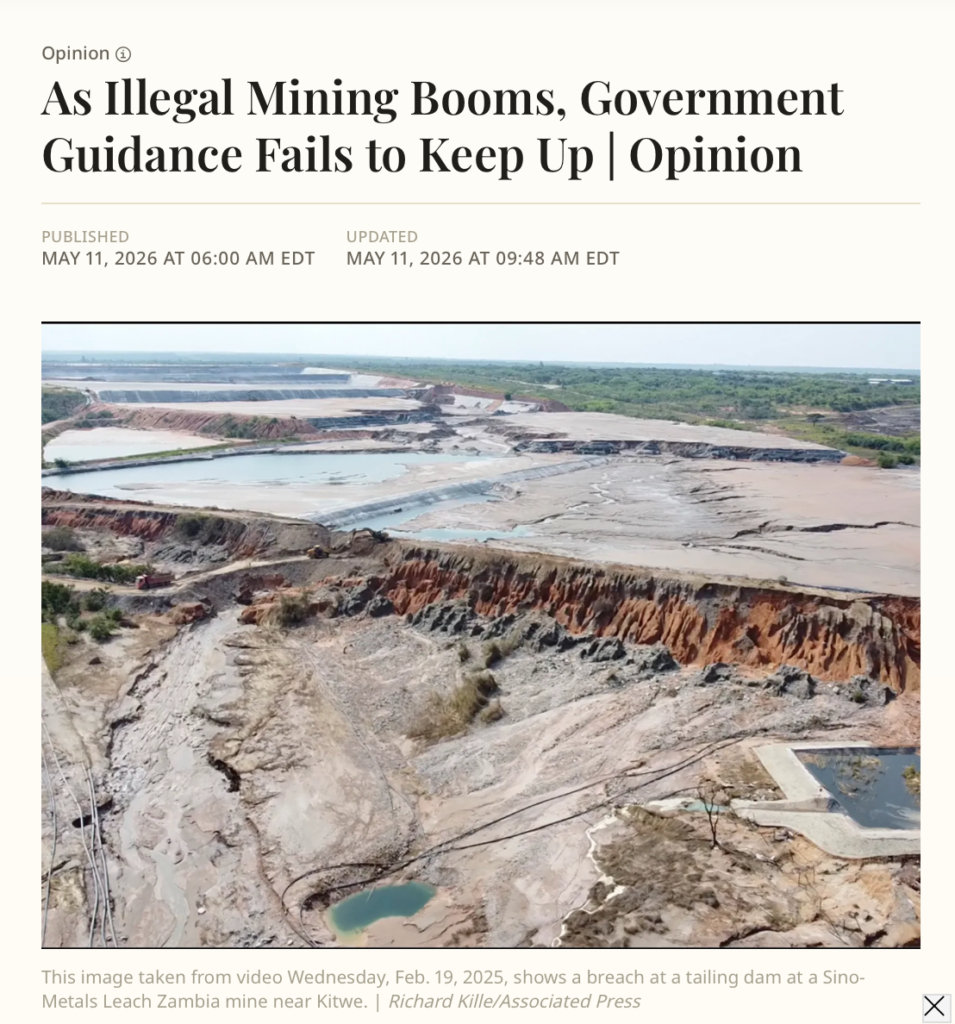
Newsweek: As Illegal Mining Booms, Government Guidance Fails to Keep Up
Julia Yansura co-authored an opinion piece in Newsweek alongside John Dodworth from WWF-UK on the growing illicit finance risks tied to illegal mining and the need for stronger government guidance to help financial institutions detect and report these risks.
From the op-ed: “Weak direction from governments limits the effectiveness of the financial sector as a front line defense. Without clear expectations, financial institutions are less able to align transaction monitoring, due diligence, and reporting with actual risk exposure. This ultimately allows illicit proceeds from illegal mining to move more easily through the financial system, undermining both financial integrity and environmental protection efforts.”
Business Insider: The Gold Rush Funding Colombia’s Drug Gangs
Business Insider quoted Julia Yansura in its coverage of how rising gold prices and weak oversight have made illegal gold mining a major revenue source for criminal organizations in Colombia.
“There’s a myth that we can solve this problem by sending out police and military to blow up the heavy machinery at illegal mining sites. But within as little as an hour, the criminal groups are back. There’s got to be a better way to do this,” said Yansura, “and it involves tackling the dirty money behind this criminal economy.”