
H.R. 425 Would Effectively Repeal the Corporate Transparency Act, Re-opening U.S. Markets to a Flood of Dirty Money
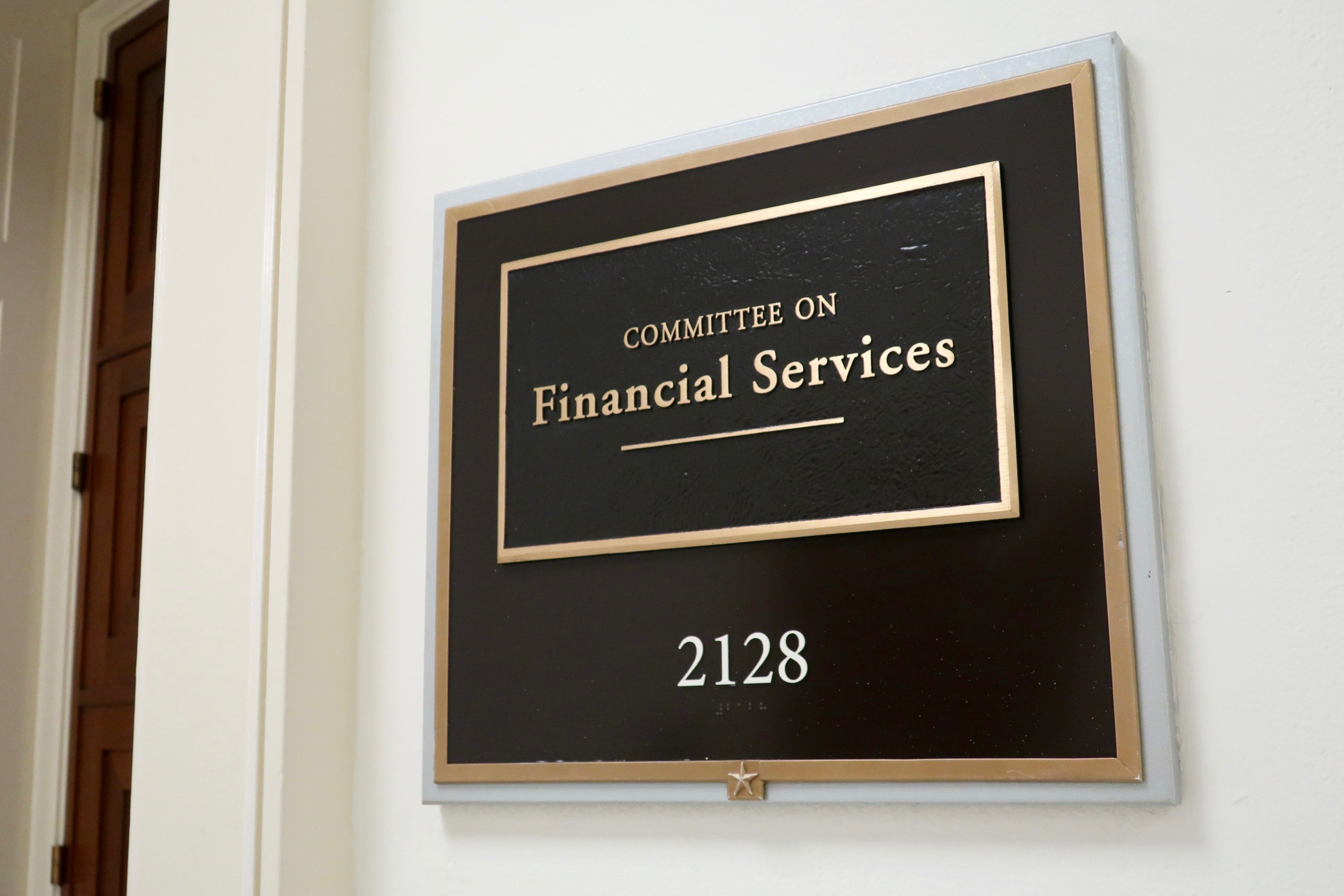
WASHINGTON, DC – Today, the Financial Accountability and Corporate Transparency (FACT) Coalition condemned the House Financial Services Committee’s vote to advance H.R. 425, a bill that would effectively repeal the Corporate Transparency Act (CTA), the most important anti-money laundering reform in a generation.
“This bill would undo fifteen years of bipartisan work by Congress to end the scourge of anonymous shell companies,” said Erica Hanichak, deputy director of the FACT Coalition. “There could be no greater gift to the fentanyl traffickers, fraudsters, and U.S. adversaries that rely on the anonymity that shell companies provide than gutting the Corporate Transparency Act. Congress should be moving to strengthen this critical anti-money laundering law, not tear it down.”
The CTA, as originally passed by Congress, protects the U.S. financial system by requiring anonymous U.S. companies to report information on their true owners to the Financial Crimes Enforcement Network. Despite decades of evidence showing how anonymous U.S. shell companies are used to enable fraud, enrich drug cartels, and undermine American national security, last year the Trump administration moved to drop reporting requirements for more than 99 percent of covered companies, effectively gutting the law. That decision was decried by law enforcement officials, federal lawmakers of both parties, national security experts, small business groups, and anti-corruption organizations. H.R. 425, if signed into law, would codify this disastrous regulatory change.
“The Corporate Transparency Act gives law enforcement something we’ve long needed, the ability to identify who is actually behind the companies used to facilitate crimes like human trafficking and money laundering,” said Frank Russo, Senior Advisor at CPAC and Partner at Modern Fortis. “Gutting it through legislation would take away a critical investigative tool and make it easier for traffickers and criminal networks to operate in the shadows. At a time when these threats are growing more sophisticated, that’s a step in the wrong direction.”
“Anonymous shell companies put American troops in danger,” said Jodi Vittori, retired USAF LTC, and Global Politics and Security Concentration Co-Chair at Georgetown University’s School of Foreign Service. “America’s enemies, including backers of the Taliban and Hizbullah, have used anonymous shell companies to fund their operations against our forces. Hidden Chinese companies use anonymous shell companies to bypass sanctions and build up their already formidable military forces. Any vote in Congress to repeal the Corporate Transparency Act undermines the American military’s ability to do its job and helps put weapons into the hands of America’s foes.”
“After 30 years investigating international corruption and recovering over $1 billion in stolen assets, I’ve seen firsthand how anonymous U.S. shell companies are used by kleptocrats, foreign officials, and cartels to launder illicit funds and purchase luxury assets in this country,” said Debra LaPrevotte, former FBI official and Senior Investigator at Restitution Impact Ltd. “Gutting the Corporate Transparency Act would eliminate a key tool needed by law enforcement to follow the money and stop the United States from being a safe haven for criminal proceeds.”
Anonymous companies have also been used to facilitate fraud and abuse through government contracts. “Billions in federal recovery funds are flowing through contracts in Puerto Rico, especially in energy and infrastructure,” said Issel Masses, Founder and Executive Director of Puerto Rican transparency organization Sembrando Sentido. “Without beneficial ownership transparency, we cannot see who ultimately receives or controls those funds. That is a serious blind spot for federal oversight.”
Nothing short of full, effective implementation of the CTA, as originally passed by Congress, is sufficient to counter the growing threat posed by anonymous shell companies to American communities and our national security. FACT strongly opposes H.R. 425, and we urge lawmakers to defeat any effort to bring the legislation to a floor vote or include its provisions in broader legislation.
###
Notes to the Editor:
- Treasury’s Interim Final Rule limiting reporting requirements under the CTA to only foreign entities – the same rulemaking that H.R. 425 would codify – was broadly opposed by law enforcement, national security, small business, environmental, anti-corruption, and financial transparency groups. A selection of comments in opposition to Treasury’s Interim Final Rule can be found below:
- Senators Sheldon Whitehouse (D-RI) and Chuck Grassley (R- IA)
- National District Attorneys Association (NDAA)
- National Narcotic Officers’ Associations’ Coalition (NNOAC)
- United Coalition of Public Safety (UCOPS)
- Foundation for Defense of Democracies (FDD)
- The Quincy Institute for Responsible Statecraft
- National security experts John Cassara, Nate Sibley, and Albert Torres
- Main Street Alliance (MSA)
- The Tax Law Center at New York University Law
- Transparency International U.S. (TI-US)
- Citizens for Responsibility and Ethics in Washington (CREW)
- Jubilee USA
- Open Ownership
- A number of organizations and individuals submitted letters of opposition to H.R. 425 ahead of, and immediately following, Tuesday’s markup. These include:
- FACT and Transparency International U.S.
- National District Attorneys Association (NDAA)
- Richard Nephew, former State Department Coordinator on Global Anti-Corruption
- Debra LaPrevotte, retired FBI Supervisory Special Agent
- International Coalition Against Illicit Economies (ICAIE)
- Sembrando Sentido
- Common Cause
- Contrary to claims that the law’s reporting requirements are too onerous for small businesses, substantial evidence shows that reporting is easy for most legitimate businesses. Read FACT’s latest fact sheet on how the CTA helps protect small businesses here.
- A 2024 poll from McLaughlin and Associates details widespread public support for the Corporate Transparency Act, with 81 percent of respondents agreeing with the statement that “Asking some small businesses to do 20 minutes of paperwork identifying their true owner is a small price to pay for keeping our communities safe from drug trafficking, terrorist financing, and other financial crimes.”
- The CTA has recently been upheld by the U.S. Court of Appeals for the 11th Circuit in National Small Business United v. U.S. Department of the Treasury, finding the CTA to be a constitutional exercise of Congress’s power under the Commerce Clause.